
How to Make Your Home More Flood Resilient Before a Winter of Storms and Heavy Rain
How to Make Your Home More Flood Resilient Before a Winter of Storms and Heavy Rain
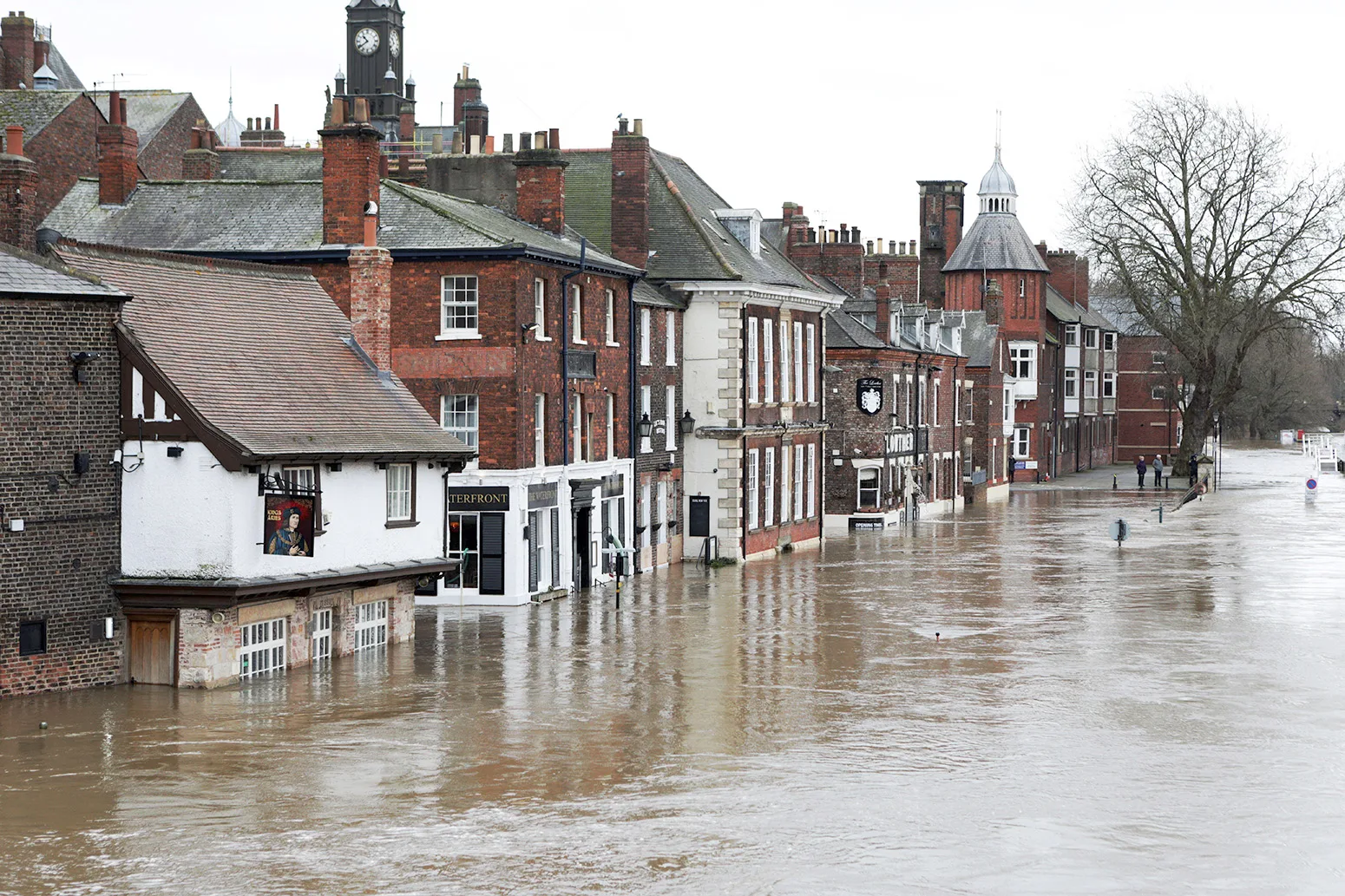
After a summer of record-breaking heat, attention is already turning to what the coming months could bring. The Guardian has reported that UK households are being urged to prepare for a potentially destructive winter of storms and heavy rain, with millions of homes at risk of flooding.
Part of that concern surrounds this year’s record-breaking El Niño. El Niño is a natural warming of the tropical Pacific Ocean, but its influence is not limited to that part of the world. Changes in tropical rainfall can affect atmospheric circulation and the position of the jet stream, which plays an important role in bringing areas of low pressure, wind and rain across the Atlantic towards the UK.
That doesn’t mean a wet or stormy UK winter is guaranteed. The Met Office explains that many different atmospheric and oceanic factors combine to determine our winter weather. However, El Niño is one of the influences being watched as we head into the wetter months.
Exactly where and when flooding will happen is impossible to predict, but preparing before prolonged or heavy rainfall arrives can make a significant difference.
And flood resilience doesn’t necessarily have to start with expensive building work. There are plenty of things homeowners can do for free, followed by relatively inexpensive products and quick improvements. For properties with a known history or higher risk of flooding, longer-term Property Flood Resilience (PFR) measures can provide a more comprehensive approach.
First: Understand Your Flood Risk
You don’t need to live next to a river or the coast to be at risk of flooding.
The latest Environment Agency national assessment estimates that around 6.3 million properties in England are in areas at risk of flooding, including approximately 4.6 million at risk from surface water flooding. Surface water flooding happens when heavy rainfall overwhelms local drainage systems, meaning it can affect properties many miles from a river.
Before making changes to your property, check your long-term flood risk through the government website. In England, you can check potential risk from rivers, the sea, surface water, reservoirs and groundwater, where information is available. You can also sign up to receive flood warnings by phone, text or email.
Free Things You Can Do to Prepare for Flooding
Some of the most useful preparations don’t cost anything at all.
Sign Up for Flood Warnings
If flood warnings are available in your area, sign up for them and make sure everyone in your household understands what the different warning levels mean.
Advance notice can give you valuable time to move possessions, vehicles and pets, deploy any flood resilience measures you already have and prepare to leave if necessary.
Make a Household Flood Plan
Think about what you would actually do if you received a flood warning tonight.
Write down important numbers, decide which belongings would need to be moved first and make sure everyone knows where essential items are kept. You should also know where and how to safely turn off your electricity, gas and water supplies.
Your plan could include:
- Where important documents, medication and valuables are kept
- Where you would move your car and pets
- Which belongings downstairs should be moved first
- Who in your household or neighbourhood might need additional help
- Your insurer’s contact information
- How to turn off utilities safely
Keep the plan somewhere easy to access rather than buried away where nobody can find it when it is needed. For more information on making a flood plan, visit BeFloodReady.
Move Valuable Items Higher Up
Take a look around the ground floor of your home, particularly at anything stored close to floor level.
Important paperwork, photographs, sentimental belongings, electrical equipment and other valuable items can be moved to higher shelves or upstairs. Government guidance also recommends keeping important documents in a waterproof container.
If flooding is expected, smaller furniture, rugs and other possessions can also be moved upstairs or raised off the floor where practical.
Check Gutters, Drains and Outside Areas
Clear leaves and debris from gutters, gullies and drains around your property so that rainwater can drain away effectively.
Take a walk around the outside of your home too. Look for damaged mortar, cracks and obvious gaps around pipes, cables and other openings through external walls.
If you already have water butts, consider using the stored water ahead of forecast heavy rainfall so there is more capacity available when the rain begins. Flood resilience campaigner Mary Long-Dhonau (Flood Mary) recommends emptying water butts ahead of a potential flood so they have maximum capacity to collect rainfall and help reduce the amount entering already stretched drains
Think About Your Garden
Hard landscaping can increase surface water run-off because rainfall cannot soak naturally into the ground.
Where possible, maintaining planted areas, healthy soil and other permeable surfaces can help a garden absorb and temporarily hold more rainwater. The government’s FloodReady guidance also highlights measures including permeable surfaces, rain gardens and rainwater harvesting as ways of helping manage rainfall around properties.
Even relatively small changes can help. Replacing sections of impermeable paving with planted areas or permeable materials can give rainfall somewhere to go rather than allowing it all to flow towards drains and buildings.
Budget-Friendly and Quick Flood Resilience Measures
Once you’ve covered the free basics, there are several relatively low-cost measures that can improve your home’s flood resilience without requiring a bespoke whole-property installation.
Some can be kept ready for use when flooding is expected, while others can be fitted to the property and work automatically.
Put Together a Flood Kit
Keep essential items together somewhere easily accessible.
This could include a torch, spare batteries or power bank, medication, bottled water, waterproof clothing, copies of important information and basic first-aid supplies. Government guidance recommends preparing these essentials before a flood happens rather than trying to gather them once water is already approaching.
Use Waterproof Storage
Plastic boxes with secure lids are a simple way to store documents, photographs and smaller valuables that you don’t want exposed to floodwater.
For households that have flooded previously, consider what you normally keep in low cupboards, drawers, garages and sheds and whether those belongings could be stored differently.
Seal Small Gaps and Entry Points
Small gaps around pipes, cables and other services passing through external walls can create potential routes for water.
Suitable sealants can provide a relatively inexpensive improvement, while damaged mortar and cracks in external walls should also be repaired.
These measures won’t make a property flood-proof on their own, but they can form part of a wider approach to reducing potential routes for water ingress.
Replace Standard Airbricks with Self-Closing Anti-Flood Airbricks
Standard airbricks are necessary for ventilation, but during flooding they can also provide a direct route for water into the property.
A self-closing Anti-Flood Airbrick replaces the existing airbrick and continues to allow normal ventilation in everyday conditions. When floodwater reaches the unit, an internal mechanism automatically closes to help resist water ingress.
M3 Floodtec’s Anti-Flood Airbrick currently costs £38 and is the world’s first BSI Kitemark™ certified anti-flood airbrick. It has been tested to BS 851188-1:2019 and can be retrofitted to an existing property or incorporated into a new build.
Because it operates automatically, it also removes the need for a homeowner to remember to fit something over the airbrick when a flood warning is issued.
Consider an Off-the-Shelf Flood Barrier
Most professionally installed flood barriers are bespoke products that need to be surveyed, manufactured and installed to suit a particular opening. Those are better considered as part of a longer-term PFR system.
However, there are also quicker off-the-shelf options.
The Dam Easy Flood Barrier, for example, is available in standard sizes and does not require a property survey. Its width can be adjusted to suit the opening and an inflatable seal helps create a barrier against incoming water. It is designed so that it can be installed in under five minutes when required.
This can make it a useful option for homeowners looking for a deployable barrier without going through the bespoke survey and manufacturing process associated with permanently specified flood barrier systems.
Protect Against Sewage and Wastewater Backflow
Not all floodwater enters through doors, windows or walls.
When drainage systems become overwhelmed, wastewater or sewage can sometimes be forced back towards a property through drainage pipes and toilets.
There are several relatively affordable ways of helping to reduce this risk.
An inflatable toilet bung can be inserted into the toilet U-bend and inflated when there is a risk of sewage backflow. Afterwards, it can be deflated, removed, cleaned, dried and stored ready for future use.
For a more automatic approach, backwater valves can be installed within suitable wastewater pipework to help prevent water flowing back towards the property. M3 Floodtec’s 50mm Backwater Valve, for example, is designed for drainage associated with areas such as sinks, showers and dishwashers.
A 110mm pushfit non-return valve can also be fitted within suitable larger drainage pipework. The valve allows normal drainage flow away from the property while helping prevent water travelling back in the opposite direction during backflow conditions. The M3 Floodtec Pushfit Non-Return Valve is designed as a retrofit product that pushes directly into the drain pipe without specialist installation equipment.
The right solution will depend on the layout and size of your property’s drainage system, so it is important to make sure any valve is suitable for its intended location.
Consider a Portable Pump
Sometimes the priority isn’t only keeping water out but also removing water that has accumulated.
A portable puddle pump can be useful for removing standing water from areas such as garages, basements or around the property. M3 Floodtec’s Puddle Pump is compact and portable and can pump up to 160 litres of water per minute.
A portable pump should not replace measures designed to resist water entering the property in the first place, but it can be a useful part of a household’s flood preparedness equipment.
Longer-Term Property Flood Resilience
For a property with a known flood history or significant flood risk, individual quick fixes may not be enough.
This is where Property Flood Resilience (PFR) comes in.
PFR considers the property as a whole: how water is likely to reach it, the different routes it could use to enter and which combination of measures could reduce the impact.
Government guidance identifies both measures designed to resist water entering a property and changes designed to reduce damage and make recovery easier if water does get inside.
Flood-Resistant Doors
Doors are one of the most obvious potential routes for floodwater.
Purpose-designed flood-resistant doors are built to provide flood resistance while still functioning as normal entrance doors every day.
Unlike a measure that needs to be deployed after receiving a warning, a flood door is already in place. For properties with known risk around door openings, it can therefore form part of a long-term flood resilience strategy.
Bespoke Flood Barriers
Where replacing the door itself isn’t the preferred option, a bespoke flood barrier can be installed across an existing doorway, opening or access point.
Although many flood barriers are removable, that doesn’t make them a temporary or quick-fix product. Professionally specified barriers are normally surveyed, manufactured to suit the individual property and installed with permanent side channels or other fixing systems.
The barrier itself can then be removed when it isn’t needed and redeployed during a flood event, making it a reusable long-term PFR measure.
Flood-Resistant Windows
Windows can also become a route for floodwater, particularly where openings sit close to expected flood levels.
Specialist flood-resistant windows can be manufactured to suit the individual property while still providing the light, appearance and everyday functionality expected from a normal window.
M3 Floodtec supplies bespoke uPVC and timber flood window systems designed to provide increased resistance to floodwater while remaining suitable for normal everyday use.
For properties where windows are identified as a potential water entry point, they should be considered alongside doors, walls, airbricks and other openings rather than in isolation.
Flood Gates
Not every property can be protected effectively at the building’s front door.
Where water approaches through a driveway, path or wider access point, a flood gate can provide a way of creating resistance further away from the building itself.
Flood gates can be designed for pedestrian or vehicle entrances and continue to function as normal gates during everyday use. When flooding is expected, they can be closed and secured to create a barrier across the opening.
They can be particularly useful where protecting the wider boundary of a property is more practical than installing individual measures across several openings closer to the building.
Installed Sump and Pump Systems
Where a property experiences water entering through the ground, a professionally installed sump and pump system may form part of the solution.
Rather than waiting until standing water has accumulated, the system sits below ground level and collects incoming water. A float switch activates the pump as the water rises so that it can be removed before it builds up.
M3 Floodtec’s Sump & Pump system can pump up to 525 litres per minute and can be installed externally, allowing access for maintenance without significant internal disruption.
Whether a pump is appropriate will depend on how water is reaching the property and should form part of a properly considered flood resilience design.
Make the Inside of Your Home Easier to Recover
Sometimes it isn’t possible or appropriate to try to keep every drop of floodwater outside.
Flood resilience therefore also means considering what happens if water does get in.
Potential measures include:
- Raising electrical sockets
- Choosing tiled or other flood-resilient flooring instead of fitted carpets
- Using more resilient wall finishes and materials
- Designing kitchens and fitted furniture to be easier to clean, dry or replace
- Locating valuable electrical equipment above likely flood levels
These measures may not prevent flooding, but they can reduce damage and help make a property easier to clean, dry and reoccupy afterwards. Government guidance specifically highlights measures such as tiled flooring and raising electrical sockets as ways to reduce future flood damage.
Don’t Look at Flood Measures in Isolation
One of the most important principles of Property Flood Resilience is that a home should be looked at as a whole.
There is little benefit in addressing the front door if water can still enter through another vulnerable opening. Equally, the right measures for one house may not be suitable for the property next door.
Potential entry routes can include:
- Doors
- Windows
- Airbricks and vents
- Cracks and gaps in walls
- Drainage and sewage systems
- Groundwater and below-ground routes
- Driveways, gateways and other access points
The depth, source and expected duration of flooding also need to be considered.
For properties with a significant or known flood risk, a professional property flood survey can identify likely water entry points and help develop a coordinated package of measures suited to the building.
Flooded Before? Check Your Insurance
If your home has previously flooded, it is also worth speaking to your insurer about Property Flood Resilience.
Through Flood Re’s Build Back Better scheme, eligible policyholders with participating insurers may be able to access up to £10,000 towards measures that improve the property’s resilience to future flooding as part of their flood damage claim.
This means that rather than simply repairing a property to exactly the condition it was in before the flood, eligible homeowners may be able to incorporate measures designed to reduce the impact of future events.
Flood Preparation Doesn’t Have to Happen All at Once
Preparing your home for flooding can feel daunting, particularly if you’re only beginning to understand your flood risk.
But you don’t have to do everything at once.
Start with the things that cost nothing: understand your risk, sign up for warnings, make a flood plan, check your property and move vulnerable possessions.
Then look at affordable products and straightforward improvements that address obvious weak points.
If your home has previously flooded or is known to be at significant risk, consider the property as a whole. Professionally specified Property Flood Resilience measures such as flood doors, barriers, windows, gates and water management systems can then be used together where appropriate to create a more comprehensive approach.
At M3 Floodtec, we provide Property Flood Resilience solutions for homes across the UK, from individual flood resilience products to property surveys, bespoke manufacture and professional installation.
If you’re unsure which measures are suitable for your property, arrange a survey with our team to understand the potential routes for floodwater and the options available.
Photo credit: Gary Calton / Alamy Stock Photo.
Get in Touch
