
Understanding the Different Types of Flooding
Understanding the Different Types of Flooding
When most people think of flooding, they picture rivers bursting their banks. While river flooding is one of the most familiar types of flooding in the UK, it’s far from the only one. Flooding can occur in many different ways, depending on the weather, landscape, water levels and local infrastructure.
Understanding the different types of flooding can help you recognise the risks in your area and better prepare for severe weather.
River (Fluvial) Flooding
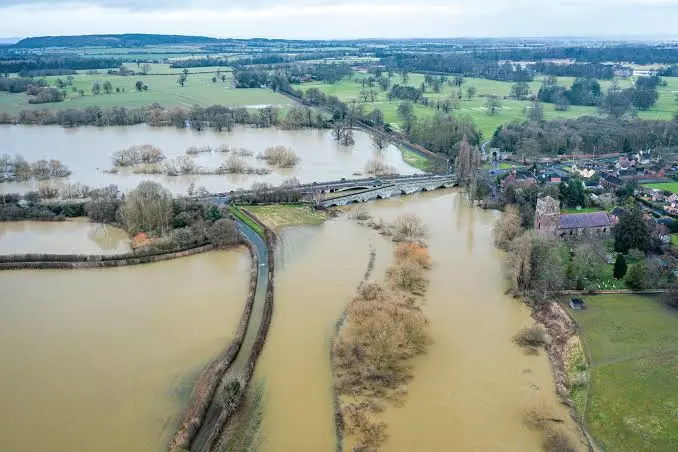
River flooding occurs when a river or stream can no longer contain the volume of water flowing through it. After prolonged or heavy rainfall, water levels rise until they exceed the capacity of the river channel, causing water to spill over onto surrounding land.
This type of flooding can affect homes, businesses, farmland and transport networks located near rivers and floodplains.
Coastal Flooding
Coastal flooding happens when seawater moves inland, usually as a result of high tides, storm surges and strong winds. Severe storms can temporarily raise sea levels, allowing water to overtop coastal defences and flood nearby communities.
Unlike freshwater flooding, coastal flooding also brings saltwater, which can cause damage to buildings, infrastructure and the environment.
Surface Water (Pluvial) Flooding
Surface water flooding occurs when heavy rainfall falls faster than the ground or drainage systems can cope with. Instead of soaking into the ground or flowing away through drains, water collects on the surface, creating areas of flooding.
This type of flooding is particularly common in towns and cities where roads, pavements and other hard surfaces prevent water from draining naturally. Blocked or overwhelmed drains can make the situation even worse.
One important point to remember is that surface water flooding can happen almost anywhere, even in areas that are not close to rivers or the coast.
Sewer Flooding
Sewer flooding occurs when underground drainage systems become overwhelmed, blocked or damaged. Heavy rainfall can exceed the capacity of sewer networks, while blockages can prevent water from flowing away effectively.
When this happens, water can back up into streets, gardens and properties. Because sewer floodwater may contain harmful contaminants, it can pose health risks as well as causing damage to homes and businesses.
Groundwater Flooding
Groundwater flooding is less common but can have a significant impact. It happens when prolonged periods of rainfall cause the underground water table to rise above ground level.
Unlike flash floods, groundwater flooding often develops gradually and can continue for days or even weeks after the rainfall has stopped. Water may emerge through the ground or enter buildings from below, particularly basements and other below-ground areas.
Reservoir and Dam Flooding
Flooding from reservoirs or dam failures is extremely rare in the UK. Reservoirs are carefully managed, inspected and maintained to ensure they remain safe.
However, if a reservoir were to overflow or a dam were breached, large volumes of water could be released quickly, potentially causing severe flooding downstream.
Although the risk is low, emergency plans are in place to help protect communities should such an event occur.
Canal Flooding
Canal flooding occurs when water levels in a canal rise beyond the capacity of the canal channel or when water escapes through damaged or overtopped banks.
Heavy rainfall, rising water levels, blockages, damaged infrastructure or problems with canal structures can all contribute to flooding. Although canal flooding is generally localised, it can affect nearby homes, businesses, roads and other infrastructure.
Snowmelt Flooding
Snowmelt flooding occurs when rising temperatures, often combined with rainfall, cause large amounts of snow to melt rapidly. The resulting water flows into rivers and streams, increasing the risk of flooding.
Historically, snowmelt contributed to some of the UK’s largest floods, including the widespread flooding of 1947. Today, snowmelt flooding is less common because the UK experiences less prolonged snowfall, although it can still affect the Scottish Highlands and upland areas of England and Wales.
Flash Flooding
Flash flooding refers to flooding that develops very quickly, usually within a few hours of intense rainfall. It is most commonly associated with thunderstorms and intense downpours, particularly where the ground or drainage systems cannot absorb or carry water away quickly enough.
Flash floods are particularly dangerous because water levels can rise within minutes, leaving very little time to react. Fast-moving floodwater is powerful enough to move vehicles, damage buildings and pose a serious risk to life.
Road Flooding
Road flooding occurs when water accumulates on or covers roads and other transport routes. It is often associated with heavy rainfall and surface water flooding, particularly when drainage systems become overwhelmed or blocked.
Flooded roads can quickly become hazardous for drivers, cyclists and pedestrians. Even relatively shallow water can conceal hazards, while deeper or fast-moving floodwater can sweep vehicles off the road.
Road flooding can also disrupt transport networks, prevent access to properties and make it more difficult for emergency services to reach affected areas.
Be Flood Aware
No matter what type of flooding occurs, being prepared can make a significant difference.
You can reduce your risk by:
-
Checking weather forecasts and flood warnings: https://check-for-flooding.service.gov.uk/
-
Knowing the types of flooding that could affect your area.
-
Understanding your property’s flood risk.
-
Having a household flood plan: https://www.befloodready.uk/before-a-flood/create-a-personal-flood-plan
-
Keeping important documents and emergency supplies in a safe place.
-
Considering appropriate property flood resilience measures.
-
Never driving or walking through floodwater.
Flooding can happen at any time of year, and understanding the different ways it occurs is the first step in preparing for the risks. By staying informed and prepared, you’ll be better equipped to respond when severe weather strikes and reduce the potential impact on your home, business or community.
Get in Touch
